

















Your channel's breakouts, explained.
Paste your channel. See the uploads that beat your usual views, what they have in common, and 10 video ideas built from them.
- Free
- No sign-up
- Public YouTube data
Real YouTube data
What's getting clicked in your niche.
Pick a niche and see the videos pulling the most views right now, with the titles and thumbnails behind them.
 2.0M views
Rich Secrets Disclosed | Personal Finance Tips | Sonu Sharma
SONU SHARMA · 2.0M views
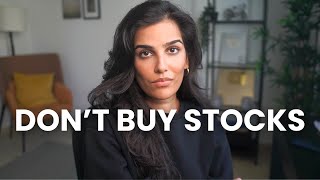 1.8M views
Ex-Banker Explains: How to Invest for Beginners in 2026
Nischa · 1.8M views
 1.6M views
8 TINY Habits to Become Financially Literate In 2026
Nischa · 1.6M views
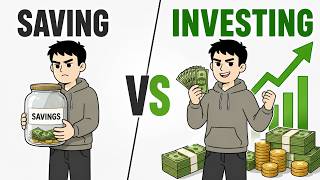 669K views
How to Turn Saving Into Investing (Step by Step Path)
Jack Explains Money · 669K views
 579K views
The Smartest Order to Invest Your Money (Step-by-Step)
Nick Invests · 579K views
 365K views
No Savings. No Investments. Here's Exactly What I'd Do to Start Over!
Clever Girl Finance · 365K views
Personal Finance: the most-viewed videos on the topic, public YouTube data from Oct 5. All personal finance outliers
Will your next video do this?
Put your title, thumbnail and first line next to these. Get the verdict, the one fix and the rewrite before you publish.
The toolkit
Everything you check before you publish.
Thumbnail, title and first line, each set next to the videos already winning on your topic.
Thumbnail Tester
See it where the click happens.
Drop your thumbnail into a real YouTube feed with the top videos on your topic. Home, phone and search, at the size viewers see it.
- Real public videos on your topic, dated
- Brightness, contrast and colour against the neighbours
- One free AI review a day

Packaging Check
One promise, in all three places.
Title, thumbnail and first line, read together. You get the promise a viewer believes, where the parts disagree, one fix per part and a rewrite you can paste.
- Verdict with the reason attached
- Mismatches named in one sentence
- A rewrite that keeps your topic and claims
The promise a viewer believes
I posted a Short daily for 30 days—here’s what happened.
Thumbnail
Fix: Show a dramatic stat, graph, or emotional reaction instead of just the challenge summary.
Title
Fix: Hint at a surprising or specific result instead of just stating the challenge.
First line
Fix: Open with the most surprising or dramatic result from the 30 days.
Rewritten title
What Posting 30 Shorts in 30 Days Did to My Channel
Hook Analyzer
Find the line where viewers swipe.
Type an opening and watch the weak words light up. The full analysis reads it line by line next to what winning videos say in their first seconds.
- Live marks as you type, free
- Line-by-line read with the line to fix first
- Five rewrites in your voice
This changed everything.
Instant marks from six rules, in your browser. The full analysis puts it next to what winning videos on your topic really say in their first 15 seconds, line by line, with rewrites.
Chrome extension
Research without leaving YouTube.
Open any video and see its public numbers and how far it beat its channel's usual views. Save references and preview your own package beside them.
- Dated public stats on every video
- Saved references and compare
- Preview your title and thumbnail in place
Developer build available. Chrome Web Store release pending.

14.1B
summed public view snapshots across 1,455 library videos
2,351
public Pulse videos checked within the last 6 hours
65
research topic guides to explore
No card to start
Free accounts start with 15 credits. The balance is topped back up to 15 every 30 days; unused credits do not stack into a new allowance.
Public YouTube sources
Research references use public videos and dated snapshots. Cached data can be shown; this is not private channel analytics.
Review uploads stay out of history
Review thumbnails are resized in your browser. Saved review reports contain the text result, not your uploaded image.
14-day refund window
Covers Starter packs and the first subscription charge, even if used. Renewal charges are excluded. See the refund policy below.
Library figures are stored public snapshots from the last 30 days, not unique viewers or results generated by HookSignals. Source collection dates: Sep 23, 2026 – Oct 9, 2026 (UTC). Pulse counts use a 6-hour source window. Availability varies by topic. Details: how scores work, privacy, refund policy, changelog.
- Hook analysis, Packaging Check, video analysis
- 5 credits
- Thumbnail review, or Packaging Check with the image
- +5 credits
- 4 thumbnail concepts
- First set free, then 20 credits
- Feed preview, Title Analyzer, Thumbnail Text Checker
- Free
FAQ
Questions, answered.
Verdicts are AI reads made next to measured winners. Outlier numbers are measured from public YouTube data.
How is this different from asking ChatGPT?
ChatGPT writes whatever you ask for. HookSignals checks what you already wrote: it compares the opening line, title and thumbnail text with videos that won on your topic, names the weakest part, and keeps every analysis in your workspace. Rewrites leave [X] where a number is needed instead of inventing one.
How is this different from vidIQ or TubeBuddy?
Those are broad channel-growth suites: keyword research, SEO, analytics, browser extensions. HookSignals does one job: checking a video's packaging (the opening line, the title and the thumbnail text) before you publish. Plenty of creators use both.
Why compare against outliers instead of keywords?
Keywords tell you what people search for; they don't tell you which title and thumbnail got clicked. An outlier is a video that got several times its own channel's usual views, so its size and subscriber count are taken out of the picture and the packaging stands out. Every multiple we show is measured from public data and dated. If you want search terms too, the free keyword generator is there.
Does it work for faceless channels?
Yes. The checks read your words and your thumbnail: the opening line, the title and the thumbnail text and image. Nothing assumes a face on camera, and the comparison videos come from your topic, faceless channels included.
What is a credit, and how much does one analysis cost?
One analysis — a hook analysis or a full YouTube video analysis — costs 5 credits. The free plan tops your balance back up to 15 credits every 30 days (unused credits don't add up past 15) — 3 full analyses. The top-up is for the free plan only: Starter credits never expire but are not refilled, and paid monthly plans get their own monthly allowance. Creator Pro gives you 2,000 credits per month — that's 400 full analyses.
How does HookSignals reach its verdicts?
No tool gives a 0-100 score. Each tool puts your hook, title or thumbnail next to real videos on your topic that beat their own channel, counts the differences (length, numbers, questions, greetings, thumbnail words) and gives a verdict with a reason. The AI read of your words and image is a judgment, not a prediction of views. The one measured number is the outlier multiple: a video's views divided by its own channel's median views, pulled from the YouTube Data API.
Do you connect to YouTube Studio or my channel?
The website and every free tool use public YouTube data only (title, description, views, likes, duration, thumbnail), with no YouTube login. The optional HookSignals Chrome extension can also read your own channel's YouTube Analytics, but only after you connect your channel and approve Google's consent screen for read-only access (youtube.readonly and yt-analytics.readonly). It cannot edit your videos or see revenue reports, and you can disconnect at any time.
Can this guarantee my video will perform?
No, and we won't claim otherwise. Strong packaging measurably increases your odds — but content, niche fit, timing and watch-time still decide the outcome. We check the part you control before publish.
Can I get my money back?
Yes. Every purchase — the Starter pack and the first charge of Creator Pro or Elite — has a 14-day money-back guarantee, no questions asked, whether or not you used the credits. Email support@hooksignals.com within 14 days and Paddle returns it to your card.
Is there a free trial?
The free plan starts with 15 credits and tops your balance back up to 15 every 30 days — no card required. Creator Pro and Elite (monthly) also start with a 7-day free trial: you are not charged until it ends, and you can cancel before then. After that they are a fixed monthly price.
What if I cancel?
Monthly plans cancel from your dashboard at any time. You keep remaining credits and saved history until the end of the billing period. Starter pack credits never expire.
Latest from HookSignals.
All articlesCheck the promise before your viewers do.
15 free credits a month: three hook analyses, or a Packaging Check and a thumbnail review. No card.